HERBALIST, AROMATHERAPIST AND HOLISTIC CERTIFICATION CLASSES

Our phone number is: 480-331-9355
Please call us with any questions or email us at botanicaleducation@gmail.com


Tuesday, February 25, 2014

Harvesting Creosote and Calendula for Salve - Millenial Salve (lasts forever!)

It was so fun to go to the desert with my mom and sister, and to share my love of plants with them!  I love being connected to people, plants, the earth, my Father in Heaven, the sun, the air, the animals - and was happy that my mom saw beauty in this dead Cholla (Jumping cactus).  Afterwards I harvested Creosote (chaparral) to make a Desert Healing Salve that I call "Millenial Salve" because it will last forever and does miracles for healing skin!  I am preparing to begin teaching classes again - and have missed it so much!

  I learned from the first Native American herbal guide that I went into the desert with that the natives always ask the plant if it is OK to harvest "her" and they thank her for the gift of healing that she will give.  I look for plants that are healthy, that have a high frequency when I am near them, and choose plants that have their medicinal constituents high in them (prime for medicine).  Creosote (Chaparral) should be a rich green color, but due to the drought from rain there were many plants too dry for medicine.  You can see the resin on the leaves if they are strong, and I like to pick them prior to flowers and the puff balls that come after the flowers because the energy is high in the leaves at that time.  I only harvest the tender ends - which saves me time from picking out the wood when I get home.

 
I also harvested a bag of flowering Creosote to make a FLOWER ESSENCE because flowers HELP HEAL personality issues and feelings - like Bach flower remedies.  The Creosote flower essences support us in "releasing what is unexpressed - which is usually at the root of self-imposed separation from others.  It is also used for resolving the feeling that something is missing in life - helping to emerge from a dark state into a bright and energetic one".
 
 
At home I picked calendula from my plants and began heating the plants to make a Desert Healing Salve.  This salve will last forever due to the powerful Creosote plant - the oldest carbon dated plant on earth!  It combines well with Calendula because they are both skin healers.  I am grateful for the bounties of this amazing earth! 
 
By adding Calendula flowers to this salve I am adding flowers with energetic properties of "helping one to feel safe, and helping stabilize chakra energy fields".  So - - plants are more than chemical constituents, more than carbohydrates, minerals and vitamins, more than something pretty to look at - - they have spirits and intelligence.  When we make medicine with plants and their flowers there is healing that can be more than just "skin deep".
 

Sunday, February 23, 2014

Plantain Herb - Spring Weed - for Rashes, Sunburns, Wounds, Respiratory


Plantain plant
Plantain
Botanical: Plantago major (LINN.)
Family: N.O. Plantaginaceae                        

Purchase organic Plantain:  http://www.mountainroseherbs.com/index.php?AID=117911

Common names:  broad-leaved plantain, ripple grass, waybread, slan-lus, waybroad, snakeweed, cuckoo's bread, englishman's foot, white man's foot, buckhorn plantain, dog's ribs, hock cockle, lance-leaved plantain, rub grass, dooryard plantain, round-leaved plantain, (Anglo-Saxon) weybroed, Che Qian Zi (China), Breitwegerich (German), Tanchagem-maior (Portuguese), Llantén común (Spanish), Llantén major (Spanish)

Parts Used---Root, leaves, flower-spikes.
Growth & Habitat --- A perennial "weed" that can be found almost anywhere in North America and much of Europe. You probably have some in your backyard! Plantain is thought to be indigenous to Eurasia. It will grow in sun to shade, and in almost any soil - plantain is very adaptable. Plantain spreads by seeds.

Plantain is a low-growing, green plant with oval, ribbed short-stemmed leaves. The leaves form basal rosettes which tend to hug the ground. The leaves may grow up to about 6" long and 4" wide, but tend to vary greatly in size depending on their soil and light conditions. Plantain sends up a leafless flower stock in summer/fall - the stalks can be up to ten inches tall.

There are over 200 species in the plantain family, and they are found worldwide. Many have herbal uses. Plantago major is the most common one in North America, but Plantago lanceolata can also be found. Both have the same medicinal uses, and are very similar in appearance. Plantago major has wide rounded leaves, with a flowering spike covered with small nubby seeds; Plantago lanceolata has longer, slender leaves, and a mostly bare flowering stem, with a conelike cluster of flowers on the top.


(Please note that plantain - the starchy, banana-like fruit, is completely different and not related to the plantain "weed" we are talking about!)

Plantain is edible - harvest the young, tender leaves for use in a salad, or steamed and used as a spinach substitute. The leaves do get tough quickly, so make sure to harvest only the youngest leaves. The immature flower stalks may be eaten raw or cooked. If you're really adventuresome, you can harvest the seeds. They are said to have a nutty flavor and may be parched and added to a variety of foods or ground into flour. The leaves, seeds and roots can all be made into an herbal tea.

Plantain was brought to the US and also to New Zealand by European settlers who valued it for it's culinary and medicinal properties. The settlers seemed to leave the plant wherever they went, thus earning it the name "White Man's Foot' or "Englishman's Foot" by the natives of both countries.

Plantain has been used medicinally by Europeans for centuries. Herbals dating from the 1500's and 1600's are full of recipes and uses for plantain. It was considered to be almost a panacea - a cure-all, and a quick search shows that is has historically been recommended as a treatment for just about everything, up to and including dog bites, ulcers, ringworm, jaundice, epilepsy, liver obstructions, and hemorrhoids! Plantain was so commonly known it is even found referenced in works by both Chaucer and Shakespeare.

Plantain is usually plentiful and can be easily harvested anytime from early spring until frost. Please do be careful where you harvest it - roadsides are notoriously dirty and dusty, and ditches are often sprayed with herbicides. Leave a spot in your backyard where you allow it to grow, and you can harvest your own all growing season! If your neighbors think you are crazy, let them know that plantain is a food source for some friendly wildlife such as butterfly caterpillars, and that the seeds are a food source for many varieties of birds.

Plantain is very high in beta carotene (A) and calcium. It also provides ascorbic acid (C), and vitamin K. Among the more notable chemicals found in plantain are allantion, apigenin, aucubin, baicalein, linoleic acid, oleanolic acid, sorbitol, and tannin. Together these constituents are thought to give plantain mild anti-inflammatory, antimicrobial, anti-hemorrhagic, and expectorant actions. Acubin has been reported in the Journal Of Toxicology as a powerful anti-toxin. Allantoin has been proved to promote wound healing, speed up cell regeneration, and have skin-softening effects.

Modern medical research is proving to uphold many of the historical uses of plantain - especially as a wound healer, and as a treatment for lung conditions such as bronchitis or asthma. Medicinally, plantain is astringent, demulcent, emollient, cooling, vulnerary, expectorant, antimicrobial, antiviral, antitoxin, and diuretic. Plantain is approved by the German Commission E (a sort of German "FDA" that studies and regulates herbs and herbal uses) for internal use to ease coughs and mucous membrane irritation associated with upper respiratory tract infections as well as topical use for skin inflammations. Two Bulgarian clinical trials have suggested that plantain may be effective in the treatment of chronic bronchitis.

Methods of Use:   The German Commission E officially recommends using 1/4-1/2 teaspoon (1-3 grams) of the leaf daily in the form of tea made by steeping the herb in 1 cup (250 ml) of hot water for 10-15 minutes (making three cups (750 ml ) per day). The fresh leaves can be applied directly three or four times per day to minor injuries, dermatitis, and insect stings. Syrups or tinctures, approximately 1/2 teaspoon (2-3 ml) three times per day, can also be used, particularly to treat a cough. Finally, 1/2-1 1/4 teaspoons (2-6 grams) of the fresh plant can be juiced and taken in three evenly divided oral administrations throughout the day. As with all herbal medicines, you are your own best doctor - listen to your body and pay attention to its interaction with the herb, and you will undoubtedly figure out your own best uses and dosages.

Plantain is not associated with any common side effects and is thought to be safe for children Plantain is classed as "able to be safely consumed when used appropriately" by the American Herbal Retailers Association. Some preliminary research does show, however, that some allergy sufferers may have a reaction to plantain pollen, so if you feel this may be a problem for you, you may want to only use the plantain leaves for your herbal preparations.

One of plantain's most common uses is as a poultice for stings, bites, scrapes and rashes. The simplest way to harness plantain's healing powers is to crush a few fresh leaves, and apply to the affected area. Replace fresh leaves as necessary. The fresh plantain "juice" takes the pain away and seems to work wonders at staunching blood flow and closing wound edges. It's also wonderfully refreshing and soothing to sunburn.

Plantain infusion (tea) can also be used as a soothing wash for sunburn, windburn, rashes, or wounds. To make a plantain infusion, simply add a small handful of fresh plantain leaves to a cup or two of water, and bring to a gentle boil. Turn off heat, and let steep, then strain out the leaves. The infusion is best when fresh, although it can be stored in the refrigerator for a few days.

A favorite way to use plantain is in an herbally infused oil. Gently fill a container with fresh plantain leaves that have been lightly bruised or crushed. (Dried plantain can be used - if you are using dried plant material, you only need to fill the jar one-half full). Cover the leaves with oil - any vegetable oil will do, cover the container, and let sit in the sun for a couple of weeks. The will turn a beautiful dark green color. Strain out the leaves and you have a lovely herbal oil to use. It's wonderful to soften, soothe and heal any manner of skin conditions.  Make an herbal salve from this oil - simply add 1-2 oz. melted beeswax to warmed infused oil. Stir over low heat until the beeswax and oil are uniformly combined, and then pour into clean jars or tubs.

Susan Weed recommends using plantain oil on babies and small children instead of lotions or Vaseline. Natural vegetable oil that has been infused with the gentle, healing essence of plantain is far healthier to put on a baby's delicate skin than chemical-laden lotions or petroleum by-products. She also recommends using whole, clean, gently crushed fresh plantain leaves directly on a baby's diaper rash as an overnight poultice. This will help heal common diaper rash, as well as a yeast-infection diaper rash.  A plantain oil or salve can also be an excellent cure for diaper rash or cradle cap.

It dries well; the dried herb makes and excellent infusion and can be used to make an herbally infused oil that is almost as potent as the oil made from fresh leaves.

Friday, January 17, 2014

ANXIETY - Learn to Overcome Anxiousness through EFT

WATCH THIS VIDEO AND LEARN HOW TO OVERCOME ANXIETY.

http://www.youtube.com/watch?feature=player_embedded&v=IWu3rSEddZI

EMOTIONAL FREEDOM TECHNIQUE (EFT)  - tapping - works!  I especially like to have people use this method of emotional wellness while using essential oils.  Especially the oils of Geranium, Bergamot, Frankincense, Rose and Chamomile.

Replace negative feelings in the body and mind by practicing along with this video.  Included below are some of the phrases that are helpful (a sampling) to reprogram thought processes and feelings that "steal your life" with anxiety.

"Even though I'm feeling so anxious, I love and accept myself! 
Even though I feel this anxiety I know that I have the power to overcome these feelings - and I love and accept myself. 
Even though my stomach, hands, throat are shaking and feeling butterflies and fearful, this anxiety in my body can be released.
It feels out of control.  It feels like I don't have control over my body.
It doesn't feel safe here.
I love and accept my self and I am open to releasing these emotions.
Even though I feel that these feelings of anxiety are overpowering, I am open to releasing these emotions. 
I am safe without these feelings.  I love and accept myself.
I recognize that I have feelings of being out of control.
I know what it feels like to feel calm.
TUNE INTO A PROBLEM THAT IS CAUSING YOUR LACK OF EMOTIONAL WELL-BEING.
I'm allowing my body to feel calm, releasing the stress in my body. 
I am infusing my body with love, joy and peace .... regardless of the stress in my body at this time. 
I have control of my body. 
My stomach is feeling calmer and more relaxed.  It is safe to let go of this anxiousness.
Infusing my body with love, peace, capability.
I have control of my body.
My stomach is feeling more calm and more relaxed.
My whole body feels calmer and more relaxed.
TAKE A BIG BREATH IN!  LET IT GO!  BREATHE DEEPLY AGAIN!  LET IT GO!
Even though I have this remaining anxiety in my body (finances, relationships, social acceptance, ability to perform ... whatever the anxiety is from) I deeply and completely love and accept myself.
I have this anxiety forever.  It doesn't feel safe for me to let it go.
Even though I have this remaining anxiety - I deeply and completely love and accept myself and how I feel about this.
I have control over myself - and my thoughts - and my feelings.
I release this remaining anxiety.
Even though it doesn't feel safe to let this go - I choose to acknowledge that it is there.
I spend so much time to ignore it and trying to pretend it isn't there
I choose to acknowledge that it is there.  I love and accept myself.
I love and accept myself.  I love myself enough to let it go.
My whole body feels calmer, more relaxed, and I can breathe more calmly.
Take a big breathe in and enjoy what it feels like to feel calm.

Monday, January 6, 2014

INFLAMMATION - Happy New Year 2014

Happy New Year Holistic Health Friends!

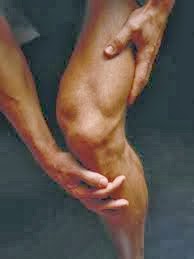
It is a new beginning for me as I am mostly recovered from an automobile accident that has caused me to be low-functioning during the past months.  The 2013 Fall class schedule had to be cancelled and taken off the blog.  I have gained another appreciation for the amazing healing powers of the body - when it is given the ingredients of health that it needs!  I have spent a lot of time reducing the effects of inflammation and pain in my body - desiring to be back to my normal functioning.  For that reason I decided to write today about INFLAMMATION.
INFLAMMATION is the underlying cause of most diseases and discomforts
in the Western world that we live in.

Inflammation is a necessary and important biological process that allows us to survive. It is the body's response to fighting infection and repairing damaged tissues— and is part of the natural healing process. If we didn't have inflammation, we couldn't heal from infection or injury.
When a foreign bacterium or virus enters the body, the inflammatory process kicks in to eliminate it.  If an ankle is sprained, the inflammatory system activates to begin repairing damaged tissues.
The five classic signs and symptoms of inflammation are:
  1. Redness
  2. Pain
  3. Warmth
  4. Swelling
  5. Loss of function
   
Prolonged inflammation can have damaging and long-term effects. Many people are experiencing ongoing, low-level inflammation without even knowing it—and this is a crucial factor behind chronic disease.  "Silent" inflammation is the evil twin of oxidation, and where you find one, you nearly always find the other.  Silent inflammation doesn't cause you any pain—it lives "under the radar," quietly lingering for years and even decades, where it silently injures your heart, brain and immune system.  Left unchecked, systemic inflammation can lead to anything from asthma to rheumatoid arthritis to Alzheimer's disease. In fact, the number of diseases linked to chronic inflammation is staggering:
·    Heart disease, atherosclerosis and stroke
·    Diabetes
·    Alzheimer's disease
·    Parkinson's disease
·    MS or Multiple Sclerosis
·    Rheumatoid arthritis
·    Ulcers, irritable bowel syndrome (IBS), and colon cancer
·    Allergies
This is a small list of inflammatory conditions, but gives an idea of its impact. Americans have the highest levels of silent inflammation in the world, with over 75 percent of people afflicted.


Some of the largest contributors to chronic inflammation are smoking; a diet high in sugar, fried foods and transfats; inadequate exercise; stress; and vitamin D deficiency
Rather than taking a statin drug to reduce inflammation, it is better to focus on a healthy diet to reduce the inflammation in the body.  GREEN is the magic color!
                   
 
Some Effects of Anti-Inflammatory Drugs (Statins):
·    Aspirin can cause your stomach to bleed (acts on both COX-1 and COX-2)
·    Tylenol (acetaminophen) can damage your liver
·    Vioxx and Celebrex (non-steroidal anti-inflammatories, or NSAIDS) can cause heart problems (act strongly on COX-2 only)
 
Diet it the First Choice in Reducing Inflammation
The REAL problem that is causing the damage is chronically elevated blood sugar. The sugar molecule causes far more damage to cells and the internal body's environment than any other molecule.
Nutrients that Help Reduce Inflammation  (internal) are:
  • Astaxanthin (orange/red colored sea plants/foods - like Krill, wild Salmon, etc)
  • Green Foods - vegetables
  • Minerals - Clays - DE (diatomaceous earth)
Herbs that Help Reduce Inflammation (internal) are:
  • Turmeric (400-600 mg daily - give it two months to fully do its work in the body)
  • Boswellia
  • Ginger
  • Bromelain (from pineapple)
  • Cat's Claw
  • Devil's Claw
  • and even Alfalfa (due to its high mineral content and green pH)
 
Essential Oils that Help Reduce Inflammation (topical) are:
  • Chamomile
  • Helichrysum
  • Birch
  • Ginger
  • Clove
  • Fennel
  • Thyme
  • Bergamot
Here's to a wonderful and healthy year ahead - creating a healthy internal environment for pain-free and disease-free living! 
CLASSES FOR 2014 ARE IN THE PLANNING AND WILL BE POSTED SOON
 

Tuesday, April 16, 2013

YOUR BODY IS TALKING, ARE YOU LISTENING? Health and Wellness Expo - Saturday April 20, 2013

Network Together and Barney Family Sports Complex Present
NT Healthy FamilyThe Network Together Health, Wellness and Family EXPO!!!
at the Barney Family Sports Complex.
22050 E. Queen Creek Rd.
Queen Creek, AZ 85142
(480) 677-2372

Join us for the exciting demonstrations, workshops and shopping from local businesses. Admission is FREE to the public!
Our topics will include the following areas:

Family Communication, Physical Health, Family Finances, Healthy Minds and Societal Issues.

Keynote Speakers 10:30 AM - 11:30AM
Queen Creek Queen Creek High School
Football Champions Team Members,
Tucker Workman, Colton Moore
"Be a Friend, Not a Bully: Fostering Friendships in the Community"


http://www.networktogetherexpo.com/


Mike Becko 8:30 AM - 9:00 AM:
Mike Becko
– Insphere Insurance Solutions –
“Magic with a Message”
Adam Roig9:00 AM - 9:30 AM:
Adam Roig
– Owner at the PC Doctors –
“Online Safety for Kids and Parents”
9:30 AM - 10:00 AM:
Luke Vennard
– Sterling Investments –
“What Every Family Should Know When Saving in Today's Volatile Market”
 
 
Jacque Gurney10:00 AM - 10:30 AM:
Jacque Gurney– Millennial Wellness –
“Your Body is Talking, Are You Listening”
 
 
11:30 AM - 12:00 PM:
Dr. Jeff Carr
– Spine, Orthopedic and Sports PT –
“How to Prevent Sports Injuries”
Adam Roig12:00 PM - 12:30 PM:
Bill Sherman
– Financial Ed Coach –
“The New…Old Way to Invest…Land”
Irene12:30 PM - 1:00 PM:
Dr. Irene Lebedies– Certified Performance Coach –
“Staying Sane: Tips for Parents of Crazy Teenagers”
Bryan1:00 PM - 1:30 PM
Brian McClure
– Regional Vice-President at Primerica –
“Family Financial Wellness

BECOME AN
 EXHIBITOR
WHY EXHIBIT?

Barney Family Sports Complex
22050 E. Queen Creek Rd.
Queen Creek, AZ 85142
(480) 677-2372
http://barneyindoorsports.com/

Friday, January 4, 2013

Class - EXTENDING YOUR HARVEST - Preserved Lemons, Curing Olives, Dehydrating, Salt

Extending Your Harvest:  Dehydration and Salt
Time: February 16, 2013  (Saturday) from 10am to 11:30am
Location: Sea of Green Hydroponics - Tempe
Street: 1301 E University Dr, Suite 101
City/Town: Tempe, AZ
Website or Map: http://g.co/maps/fn8ct
Event Type: class
Organized By: Christopher Henggeler

Instructor: Kaesha Neil
The Extending Your Harvest series of classes help you to explore the many different methods available for preserving the abundance of your garden (or local markets) for less abundant times of the year. Preserved foods also make great, and often unique, gifts. Learning how to preserve your own foods not only helps reduce food waste and increase local food sustainability, but it lets you choose the best methods for yourself and control what goes into your food. Discover the culinary and flavor possibilities that often cannot be purchased at the store!

This class in the series addresses preservation methods that involve dehydration and salt. Basic methods, sample recipes, and how to use the preserved foods are presented. Because it is not as readily self-evident, we will discuss extensively what to do with dehydrated food once your cupboards are full of them. Topics include leathers, vegetable stock, preserved lemons, and curing olives.

Please sign in with the volunteers at the door.

$15 fee is payable with cash or check. (Make checks out to Valley Permaculture Alliance).

Note on directions: Sea of Green Hydroponics is located at the intersection of E University and S Dorsey, and can be found be turning south on Dorsey and then east into the parking lot. Suite 101 is where the classes will be held.

THIS CLASS COUNTS TOWARDS HERBAL CERTIFICATION FOR BOTANICAL EDUCATION FOUNDATION.

Class GARDENING IN THE DESERT (1)

Gardening in the Desert - Part I
Time: January 7, 2013 from 6:30pm to 8pm
Location: Valley Permaculture Alliance Offices
Street: 1122 E Washington St.
City/Town: Phoenix, AZ 85034
Website or Map: http://g.co/maps/gdd4h
Event Type: class
Organized By: Christopher Henggeler
                   
Instructor: Carol Stuttard
Learn how to design a bountiful vegetable garden specifically for a low desert climate. This multi-part series will guide you through the creation process so you will be ready to plant your garden in the fall and have an abundant harvest. Homegrown organic veggies are the best tasting and healthiest food for you and your family.

Part 1 of the Vegetable Garden Design for the Desert will cover the basics of desert garden site selection, answering questions regarding how to choose the right place for your veggies and what considerations to take into account as you plan and prepare your beds. Topics include: solar orientation, watering, soil conditions, microclimates, basic tools and techniques.
The next part of this 4-part series is January 14th. Sign up here.

Please sign in with the volunteers at the door.
$15 fee is payable with cash or check. (Make checks out to Valley Permaculture Alliance).
This facility accepts debit/credit cards.
The Valley Permaculture Alliance (VPA) offices are located at 1122 E Washington St, Phoenix. On the light-rail, it is accessible from E Washington and the intersection at 12thSt. The offices are set back from the street, so turn when you see 1112 on a large beige wall. Take a right and you can’t miss it. This link is very accurate: http://g.co/maps/gdd4h.
**Space is limited! Please RSVP to the right (click "will attend") if you'd like to attend.**
http://www.phoenixpermaculture.org/events/gardening-in-the-desert-part-i-1

HERBAL STUDENTS GET CREDIT FOR TAKING PHOENIX PERMACULTURE CLASSES THROUGH BOTANICAL EDUCATION FOUNDATION.
Related Posts Plugin for WordPress, Blogger...